Complete Guide to the Job of UX Designer in 2026
Discover the complete guide to the job of UX designer in 2026 Learn essential skills career paths salary trends and expert tips to succeed in UX design
User Experience (UX) design is rapidly evolving, and by 2026, the role will be more critical and dynamic than ever before. With digital products shaping every part of our lives, the job of ux designer stands at the center of innovation and growth.
In this comprehensive guide, we explore the future of the job of ux designer. Discover the essential skills, daily responsibilities, qualifications, and the career prospects that will define this path in 2026.
From industry trends to practical steps for breaking in, this article will help you understand what it takes to thrive and succeed as a UX designer in the years ahead.
The Evolving Role of the UX Designer in 2026
The job of ux designer in 2026 is more dynamic and multidisciplinary than ever before. As digital products expand into new industries and platforms, UX designers are expected to blend creativity with analytical thinking. This role centers on enhancing user satisfaction while balancing business goals and technical requirements.
UX designers are now central to product teams, shaping user journeys, ensuring accessibility, and driving innovation. Let’s explore how the job of ux designer has evolved, the new skills required, and the career opportunities ahead.
What Does a UX Designer Do?
At its core, the job of ux designer is about understanding user needs and transforming them into seamless digital experiences. Daily responsibilities include conducting user research, building wireframes, creating interactive prototypes, testing usability, and iterating designs based on feedback.
UX designers work closely with product managers, engineers, and stakeholders to align design solutions with business objectives. A typical day might involve mapping user journeys for a SaaS platform, developing personas, or leading accessibility reviews across devices and channels.
Modern UX designers also adapt their work to support cross-platform and omnichannel experiences. This means ensuring consistency and usability whether users interact via desktop, mobile, or even wearables.
Key Changes in UX Design Since 2020
Since 2020, the job of ux designer has transformed in several important ways. The shift to remote and hybrid work has changed collaboration, requiring new digital tools and workflows. Artificial intelligence and automation now streamline prototyping and user testing, letting designers focus on strategy and creativity.
There’s a stronger emphasis on inclusivity, with global standards pushing accessibility to the forefront. UX is also branching into new sectors like healthcare and fintech, requiring broader domain knowledge.
For a deeper look at these shifts, The State of UX in 2025 offers insights into how UX designers are adapting to strategic, ethical, and technological trends.
UX Specializations and Career Paths
The job of ux designer has grown to encompass a range of specializations. Some focus on research, others on interface design, information architecture, or usability analysis. Hybrid roles, such as UX/UI designer or Product Designer, are increasingly common, blending skills across design and development.
As designers gain experience, opportunities open up for leadership, mentorship, or even moving into roles like Head of Product Design. Many professionals transition from hands-on design to strategic positions, guiding teams and shaping product direction.
A typical career path might start with a generalist UX designer role, then progress into specialized or senior positions based on interests and strengths.
Industry Demand and Job Outlook
Demand for the job of ux designer remains strong in 2026, with growth predicted at over 13 percent in the coming years. Industries such as SaaS, e-commerce, healthcare, and the public sector are actively recruiting UX talent.
UX designers enjoy a wide range of opportunities, from in-house roles at tech companies to remote positions for startups around the world. Competitive salaries, flexible work models, and the chance to impact millions of users make this a highly attractive career choice.
With technology evolving rapidly, the job of ux designer is set to stay at the heart of digital innovation.
Essential Skills and Tools for UX Designers in 2026
To thrive in the job of ux designer in 2026, you need a blend of technical abilities, soft skills, and up-to-date knowledge of industry tools. The landscape is fast-paced and always evolving, so mastering these essentials is key to staying competitive.
Core Technical Skills
Every job of ux designer starts with proficiency in industry-standard design tools like Figma, Sketch, and Adobe XD. These platforms make wireframing, prototyping, and collaborative design seamless across teams.
A solid grasp of HTML, CSS, and basic JavaScript is increasingly expected. You will also need to be skilled in user research and usability testing to gather actionable insights. Data analysis is another must, as translating user data into design improvements is a core part of your role.
For a comprehensive overview of the skills required for the job of ux designer, check out UX Design Requirements.
Soft Skills and Mindset
Technical expertise alone is not enough for the job of ux designer. You must also be a creative problem solver, able to think conceptually and empathize with users. Communication and collaboration skills are vital, especially when running workshops or aligning with stakeholders.
Adapting quickly to new technologies and shifting user needs sets successful designers apart. Leading a design sprint or facilitating a team workshop often tests your ability to listen, mediate, and inspire.
Emerging Tools and Technologies
The job of ux designer in 2026 will rely heavily on emerging technologies. AI-powered design tools now automate repetitive tasks and help generate user personas. Voice and gesture interface platforms are gaining traction, requiring designers to think beyond screens.
Remote collaboration is the norm, with tools like Miro and FigJam making it easy to brainstorm and ideate with global teams. Staying curious and open to new platforms is a must for anyone in the job of ux designer.
Accessibility and Inclusive Design
Inclusive design is central to the job of ux designer today. Following WCAG and international accessibility standards ensures your work reaches everyone, including those with disabilities or neurodiversity.
Designing for a diverse audience is not just ethical, it is required in many industries. For example, a government website redesign for accessibility can serve as a blueprint for best practices, showing how small changes make a big difference.
Keeping Skills Up-to-Date
Continuous learning is a nonnegotiable part of the job of ux designer. Online courses, bootcamps, and certifications from providers like General Assembly, Ironhack, or The School of UX keep your skills sharp.
Engaging with UX communities, webinars, and conferences helps you stay ahead of trends. Building your own learning path ensures you are always ready for the next challenge in the job of ux designer.
Education, Qualifications, and Entry Pathways
Breaking into the job of ux designer in 2026 means navigating a flexible and evolving educational landscape. Whether you come from a traditional academic route, a bootcamp, or a self-taught background, the field values both formal qualifications and practical skills.
Academic Backgrounds and Degrees
Many professionals in the job of ux designer start with degrees in fields like computer science, digital design, media technology, or web design. These programs provide a strong foundation in technical and creative skills.
Employers increasingly recognize the value of multidisciplinary education, where design, technology, and psychology intersect. While a degree can open doors, proven skills and a strong portfolio often matter more. If you want guidance on the academic and practical foundations for this career, check out Becoming a UX Designer for an in-depth overview.
Bootcamps, Certifications, and Short Courses
For those seeking a faster route into the job of ux designer, bootcamps and short courses are excellent options. Popular UX bootcamps offer intensive, hands-on experiences that focus on practical design problems and real-world projects.
Certifications from recognized institutions can boost your credibility. For example, the Skills Bootcamp in UI/UX Design for Games at Teesside University is a popular choice for aspiring designers. Bootcamps provide rapid entry, but traditional degrees may offer deeper theory and a broader network.
Self-Taught Designers and Alternative Pathways
The job of ux designer is also open to self-taught professionals. Building a portfolio through self-directed projects, freelance work, or open-source contributions is key. Many transition from graphic design, web development, or even marketing into UX by showcasing their problem-solving abilities.
Practical experience often outweighs formal education. Internships, volunteer projects, and mentorships can help self-taught designers prove their skills and expand their network.
Work Experience and Internships
To stand out in the job of ux designer, hands-on experience is essential. Seek internships, placements, or freelance projects to develop real-world skills and build your portfolio.
Tips for breaking in include networking within UX communities, finding mentors, and applying for entry-level roles that let you learn on the job. The right mix of experience and connections can accelerate your journey into a rewarding UX career.
Daily Life and Work Environment of a UX Designer
What does a typical day look like in the job of ux designer? It is a blend of creativity, collaboration, and problem-solving. UX designers split their time between independent focus work and teamwork, using a mix of digital tools and communication channels to shape user experiences.
Typical Workday and Responsibilities
In the job of ux designer, no two days are exactly the same. A designer’s calendar often includes:
User research interviews and surveys
Wireframing and prototyping sessions
Design sprints and workshops
Stakeholder meetings to align on goals
Designers might start their week mapping out user journeys for a new SaaS feature, then shift to usability testing by midweek. Deliverables range from personas to interactive prototypes. For a deeper dive into daily outputs, see UX Design Deliverables.
Work Settings: Office, Remote, and Hybrid
The job of ux designer has evolved to fit flexible work environments. Some designers prefer the energy of an office, while others thrive in remote or hybrid setups.
Remote collaboration is powered by tools like Zoom, Slack, and Miro. Designers can conduct usability studies with participants from around the globe, sharing screens and gathering feedback in real time. This flexibility opens the door to working with diverse teams and users.
Work Hours, Flexibility, and Freelance Opportunities
A standard workweek for the job of ux designer usually spans 37 to 39 hours, but deadlines can mean longer days. Many companies offer flexible hours or part-time options.
Freelance opportunities are plentiful, with daily rates often between £250 and £650. Freelancers enjoy the freedom to choose projects and set their own schedules, making this career appealing to those who value autonomy alongside creative challenges.
Collaboration and Team Dynamics
The job of ux designer is all about teamwork. Designers collaborate closely with developers, product managers, and researchers.
Cross-functional teams work together from ideation to launch, using regular design critiques and feedback sessions to refine concepts. Strong communication and openness to feedback help create products that truly serve users.
Salary Expectations and Career Prospects
Salary Ranges by Experience Level
Understanding the earning potential in the job of ux designer is crucial for anyone considering this field. Salaries vary based on experience, location, and sector. Entry-level designers typically start between £20,000 and £26,000. As you gain experience, salaries rise to £35,000–£55,000 for mid-level positions. Senior professionals can expect £40,000–£65,000 or more, especially in major tech hubs like London.
Experience Level | Salary Range (£) |
|---|---|
Junior | 20,000 – 26,000 |
Experienced | 35,000 – 55,000 |
Senior | 40,000 – 65,000+ |
Location and industry also play a role, with higher salaries in SaaS and fintech. For more on emerging salary trends, explore the Future of UX Design.
Benefits and Perks
When evaluating the job of ux designer, it is important to look beyond just salary. Many positions include benefits that enhance total compensation. Common perks are:
Performance bonuses and annual bonuses
Private medical insurance and dental coverage
Generous pension schemes
Gym memberships and wellness programs
Flexible working hours and remote options
Professional development budgets
In-house roles often offer more stability and long-term benefits, while freelance designers may enjoy higher day rates and greater flexibility. Consider which perks matter most to you as you plan your career.
Career Progression and Advancement
A clear path for growth is a key attraction in the job of ux designer. Most designers start in junior roles, then move up to mid-level and senior positions. With experience, you can specialize in areas like research, UI, or service design, or transition into leadership as a UX lead or Head of Design.
Career advancement can also mean moving into consultancy or product roles. Many designers broaden their skill set to include product strategy, opening doors to roles like Product Designer or Head of Product. Setting career goals and seeking mentorship can help guide your journey.
Global and Remote Opportunities
The global demand for the job of ux designer has never been higher. Remote work has unlocked international opportunities, allowing designers to join teams across continents. Companies value professionals who can collaborate effectively in global teams, understand diverse markets, and navigate cross-cultural communication.
Remote roles offer flexibility and access to a wider range of employers, from startups in the US to agencies in Europe. Developing skills in remote collaboration tools and asynchronous workflows is essential for thriving in this environment. Consider expanding your network to tap into global job markets.
Trends Shaping the Future of UX Design
The future of the job of ux designer is being shaped by rapid technological advances, shifting user expectations, and a business landscape that values innovation. To thrive in 2026, designers must stay ahead of evolving trends, embrace new tools, and champion ethical, data-driven design. Let us explore the major forces redefining the role and day-to-day work of UX designers.
AI, Automation, and the Future of UX
Artificial intelligence is transforming the job of ux designer by automating time-intensive tasks and opening new creative possibilities. AI-driven user research, prototyping, and hyper-personalization are becoming standard in many design teams. Designers now use AI tools for rapid A/B testing, predicting user flows, and generating wireframes in seconds. For example, platforms like Figma are integrating smart suggestions and automated layout features. According to UX Design Trends in 2025, AI is also expanding the designer’s toolkit, enabling more data-informed decision-making and freeing up time for strategic thinking. Staying current with these tools is essential.
The Rise of Ethical and Responsible Design
The job of ux designer now involves much more than usability and aesthetics. There is a growing emphasis on ethical design, privacy, and inclusivity. Designers are expected to avoid dark patterns, ensure transparency, and build user trust. Regulatory changes, such as the EU Accessibility Act, are making accessibility a business imperative. For a deeper look at these shifts, Accessible UX Design: Moral Imperative and Business Opportunity explores how ethical standards are influencing both product strategy and day-to-day design. UX teams are developing ethical guidelines and working closely with legal and compliance stakeholders to protect users.
UX in Emerging Industries and Platforms
Emerging technologies are broadening the job of ux designer beyond traditional screens. Designers are now crafting experiences for AR, VR, IoT, and voice-enabled devices. Each platform presents unique user behaviors and challenges, from designing for hands-free environments to considering spatial interactions. For example, creating intuitive flows for smart home devices or wearables requires a deep understanding of context and accessibility. As tech expands, designers must adapt their methods and collaborate with engineers in new fields, ensuring seamless, multi-platform user journeys and consistent brand experiences.
The Importance of Data-Driven Design
A data-driven mindset is now central to the job of ux designer. Successful designers blend quantitative analytics with qualitative insights to make informed decisions. Heatmaps, session recordings, and user feedback help teams identify pain points and validate design choices. Balancing metrics with empathy ensures products meet real user needs, not just business KPIs. For example, designers use tools like Google Analytics and Hotjar to refine interfaces, while also conducting usability interviews for context. This approach improves outcomes, supports stakeholder buy-in, and accelerates iteration cycles.
The Expanding Role of UX in Business Strategy
The job of ux designer is increasingly intertwined with business goals. UX is recognized as a driver of conversion, retention, and product-market fit. Designers are participating in strategic discussions, collaborating with growth, marketing, and product teams. A UX designer might join a product team to define KPIs, conduct experiments, and analyze user journeys from first touch to retention. This expanded role calls for business acumen alongside creative skills. Companies that integrate UX into their core strategy often outperform competitors in customer satisfaction and revenue growth.
How UX Design Studios Like Grauberg Accelerate Startup Success
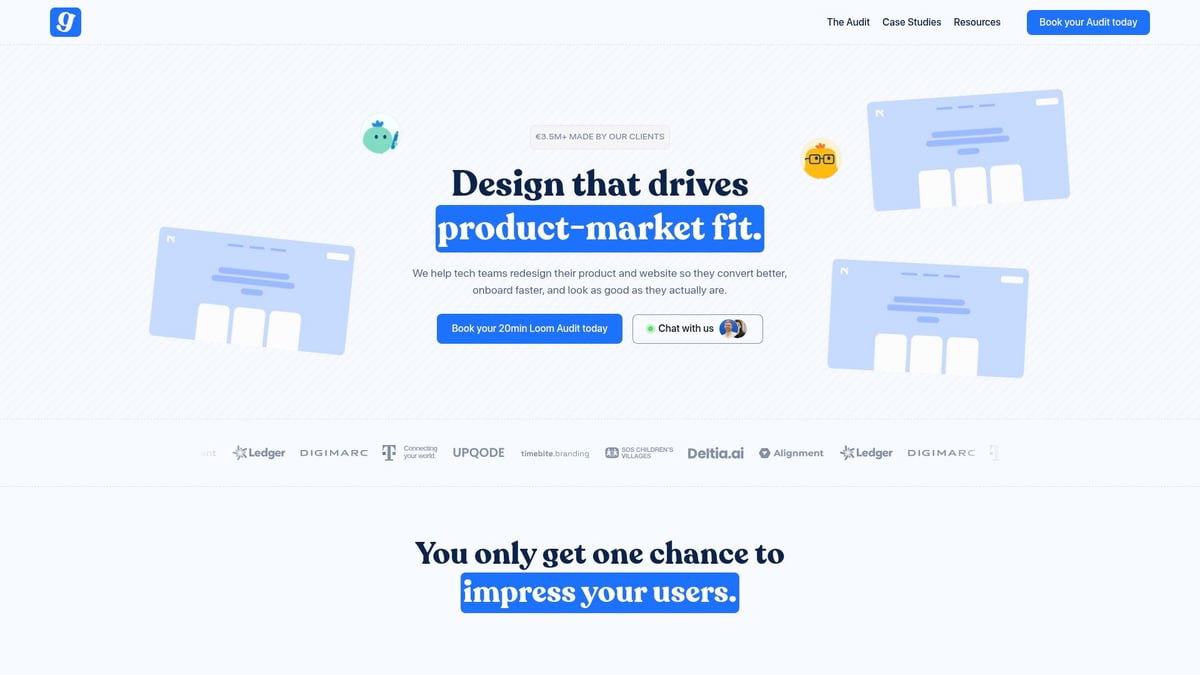
Specialized studios are reshaping the job of ux designer by offering end-to-end design thinking for fast-growing startups. Grauberg, for example, supports SaaS companies with rapid UX audits, full-cycle design services, and agile workflows. Startups benefit from expertise in everything from landing page optimization to complex product flows. Case studies show that partnering with experienced teams leads to higher conversion rates and increased ARR. For tech teams moving at breakneck speed, working with a design studio provides the flexibility, insight, and support necessary to achieve product-market fit quickly.
Must-Have Resources and Next Steps for Aspiring UX Designers
Starting a career in UX can feel overwhelming, but the right resources and a clear path forward make all the difference. Whether you are just discovering the job of ux designer or looking to level up, these actionable steps will help you stand out and succeed in a competitive market.
Building a Standout UX Portfolio
A compelling portfolio is your ticket to landing your first job of ux designer. Focus on quality over quantity. Include detailed case studies that outline your process, from research through to final designs. Show before and after visuals so hiring managers can see your impact.
Key elements to include:
Clear project overviews and your specific role
Documentation of your design process and decision-making
Evidence of collaboration and user feedback integration
For example, a recent graduate built a mobile app prototype and documented every step, leading to a job offer. Your portfolio should tell your story and highlight your unique approach to the job of ux designer.
Networking, Mentorship, and Community Engagement
Building relationships is crucial in the job of ux designer. Join online and local UX communities, such as Slack groups, LinkedIn forums, or regional meetups. These spaces offer support, feedback, and job leads.
Tips for effective networking:
Attend UX events and design challenges
Find mentors who can guide your growth
Engage in portfolio reviews and collaborative projects
Mentorship accelerates learning, especially for those new to the job of ux designer. Many designers credit their success to active participation in the community and the support of experienced peers.
Staying Ahead: Continuous Learning and Upskilling
The field evolves quickly, so continuous learning is essential for anyone in the job of ux designer. Stay updated with industry news, books, podcasts, and blogs. Subscribe to newsletters from trusted sources.
Recommended steps:
Enroll in online UX courses and certifications
Attend webinars and conferences regularly
Read about the Dominant UX Trends: Forecast for 2025 to anticipate industry shifts
Following thought leaders and participating in design communities helps you stay ahead. Staying proactive ensures your skills stay sharp and relevant for the job of ux designer.
Applying for Jobs and Acing Interviews
When applying for the job of ux designer, tailor your CV and cover letter to each position. Highlight your most relevant projects and skills. Prepare for portfolio reviews by practicing how you present your work and articulate your design decisions.
Common interview tips:
Anticipate questions about your process and problem-solving
Practice whiteboard challenges and case studies
Show how you handle feedback and iterate on designs
A candidate who confidently explains their choices stands out. Preparation is key to landing the job of ux designer in a competitive field.
Setting Career Goals and Planning Your Path
To thrive in the job of ux designer, set clear career goals. Identify your strengths and areas for improvement. Map out short-term and long-term milestones, such as learning a new tool or moving into a senior role.
Sample roadmap:
Secure an entry-level UX position
Build expertise in accessibility or research
Transition to a lead or specialized role
Regularly reassess your progress. Setting and tracking goals ensures steady growth and fulfillment in the job of ux designer.
Useful Links, Courses, and Further Reading
Access to the right resources can fast-track your journey toward the job of ux designer. Here is a curated list to get you started:
Resource Type | Example Providers |
|---|---|
Online Bootcamps | General Assembly, Ironhack, The School of UX |
University Courses | Teesside University, local design programs |
Mentorship Platforms | ADPList, UXPA |
Industry Blogs | Nielsen Norman Group, UX Collective |
Bookmark these resources and explore further reading to keep building your expertise. Investing in quality learning is key to excelling in the job of ux designer.
Thinking about putting all these UX design trends and skills into action for your own SaaS product or website? If you want to boost conversions and create seamless user journeys in 2026 and beyond, it helps to get an expert perspective on how your product and landing page work together. At Grauberg, we’ve helped startups reach product market fit faster with beautiful, easy to use designs that consider every step of the user experience. Curious how your product measures up or where you could make improvements? Book a free Product Website Audit and let’s take your user experience to the next level together.