Service Product Design Versus: Key Differences Explained 2026
Discover the key differences between service product design in 2026 Learn principles processes real examples and how each impacts customer experience and business growth
Customer experience is set to become the ultimate competitive edge in 2026’s digital-first world. Yet, many founders, product managers, and designers find themselves puzzled by the nuances of service product design. What truly sets service design apart from product design, and why does this distinction matter more than ever?
This article breaks down the core differences between service product design and product design. You’ll discover clear definitions, step-by-step processes, essential skillsets, business impacts, and real-world examples. If you’ve ever felt unsure where your focus should be, or how to align your team for maximum impact, you’re in the right place.
Read on for a straightforward comparison that will help you make smarter decisions and deliver experiences your customers will love.
Understanding Service Design: Principles and Process
Service product design is the secret behind many of the world’s most seamless experiences. Unlike product design, which focuses on physical or digital goods, service product design orchestrates how people, processes, and technology come together to meet customer needs at every touchpoint. In today’s digital-first world, understanding this discipline is crucial for founders and teams who want to deliver memorable interactions and drive business growth.
Defining Service Design
At its core, service product design is about crafting invisible threads that tie together user interactions, support channels, and business operations. Instead of delivering a product you can hold, it shapes the journey and feelings a customer has when interacting with a brand.
Think of the airline check-in process. From digital kiosks to staff assistance, every step is intentionally designed to reduce friction and ensure satisfaction. Healthcare systems and customer service platforms also rely on this approach to deliver timely, coordinated care. For a deeper dive into these distinctions, check out this Service design vs product design resource.
Service product design does not stop at the visible. It maps out all backstage processes, creating a blueprint for how experiences are delivered, improved, and scaled.
Core Principles of Service Design
The foundation of service product design rests on a few essential principles:
User-centricity: Every decision is anchored in real customer needs and direct feedback.
Iterative prototyping: Teams test and refine service elements continuously.
Value creation: Solutions aim to simplify, consolidate, and add value across the journey.
Empathy and communication: Facilitating collaboration and understanding between stakeholders is key.
By focusing on these principles, service product design ensures every interaction feels intentional, thoughtful, and efficient.
The Service Design Process
Service product design follows a structured yet flexible process:
Discovery: Teams map out the entire user journey, surfacing pain points and opportunities.
Ideation: Creative workshops and cross-functional brainstorming generate new solutions.
Prototyping: Service blueprints, journey maps, and mock touchpoints are tested with real users.
Implementation: Changes are rolled out, with feedback loops ensuring ongoing improvement.
This process empowers organizations to iterate quickly, address evolving customer needs, and keep their service product design relevant.
Essential Service Design Skills
Success in service product design requires a unique blend of skills:
Communication: Clearly articulating ideas and aligning teams.
Facilitation: Leading workshops, gathering input, and building consensus.
Empathy: Understanding both customer and team perspectives.
Analytical and artistic abilities: Visualizing journeys and solving complex challenges.
Digital proficiency: Using design software for prototyping and presentations.
These skills help designers bridge gaps between users, teams, and technology, making service product design a true team sport.
Real-World Examples
Brands that excel at service product design stand out in crowded markets. Consider:
Branding systems that create consistent experiences across channels.
Transport booking services that simplify travel from start to finish.
Concierge check-in software that personalizes hospitality.
According to competitor statistics, companies prioritizing customer experience through service product design see faster growth, higher retention, and improved customer acquisition.
Investing in service product design is no longer optional. It is a proven path to customer loyalty, operational efficiency, and sustainable business success.
Understanding Product Design: Principles and Process
Product design is at the heart of innovation, shaping how we interact with everyday objects and digital tools. In the context of service product design, understanding what makes a product truly useful, desirable, and viable is crucial for founders, designers, and product managers.
Defining Product Design
Product design is the art and science of creating items that solve real-world problems. Whether physical or digital, these products are crafted with a focus on usability, aesthetics, and materials. Service product design often includes both tangible goods, like Tupperware or Polaroid cameras, and digital solutions such as mobile apps or web tools.
The main goal is to deliver value by improving how people live, work, or play. Unlike service design, which orchestrates experiences, product design produces artifacts users can touch, see, or interact with directly.
Core Principles of Product Design
Successful product design relies on several foundational principles:
Innovation: Finding new ways to solve old problems.
Differentiation: Standing out in a crowded market.
Holistic Approach: Considering the full lifecycle, from idea to end-user experience.
Consistency and Evolution: Ensuring products stay relevant as needs change.
In service product design, these principles guide teams to create solutions that not only look appealing but also function seamlessly. This approach builds trust and loyalty with users who rely on the product every day.
The Product Design Process
The product design process is a structured journey, often beginning with research. Teams identify real user needs and market gaps, gathering insights that inform every decision. Next comes ideation and conceptualization, where ideas are sketched, modeled, and brought to life through prototypes.
Testing follows, with usability and ergonomics at the forefront. Designers refine features, materials, and workflows based on feedback. Finally, products are launched, then iterated upon to adapt to trends and user input. For a deeper dive into proven methods, explore these digital product design principles that guide teams from concept to launch.
Essential Product Design Skills
Product designers need a blend of creative and technical abilities to succeed in service product design. Key skills include:
Problem-Solving: Understanding and addressing user pain points.
Empathy: Seeing the world through the user's eyes.
Technical Proficiency: Using CAD, illustration, and prototyping tools.
Collaboration: Working closely with engineers, marketers, and other stakeholders.
These skills ensure that the designed product not only solves the right problem but also delights users and meets business objectives.
Real-World Examples
The impact of thoughtful product design shows up in everyday objects. Think about the bendy straw, which transformed how people drink beverages with a simple, ergonomic twist. Mascara wands have evolved for better application, while Bluetooth earpieces blend form and function for seamless communication.
In service product design, these innovations improve satisfaction, drive customer loyalty, and fuel business growth. When teams align on purpose and process, they create products that stand the test of time and adapt to changing markets.
Service Design vs Product Design: Key Differences Explained
Understanding the differences between service product design and product design is crucial for founders, product managers, and designers aiming to elevate customer experience in 2026. While both disciplines strive for excellence, their approaches, deliverables, and impacts on your business can vary dramatically. Let’s break down each aspect to clear up confusion and help you choose the right path for your organization.
Tangibility and Ownership
The most obvious distinction in service product design is tangibility. Service design creates experiences like checking in at an airport or booking a doctor’s appointment—intangible outcomes that exist in the moment. In contrast, product design delivers physical or digital goods you can own, such as an airline seat or a mobile app.
Let’s summarize these differences:
Aspect | Service Design | Product Design |
|---|---|---|
Tangibility | Intangible (experiences) | Tangible (goods) |
Ownership | Used, not owned | Owned, resold |
Consumption | Real-time | At user’s pace |
In service product design, ownership shifts: you don’t own the check-in process, but you do own the boarding pass.
User Interaction and Value Creation
Service product design focuses on the value realized during interaction. For example, the benefit of a hotel check-in or healthcare appointment is delivered through the process itself. The user’s experience is shaped in real time and is often fleeting, but memorable.
Product design, however, delivers value that persists after purchase. A phone or Tupperware container continues to offer utility long after it’s acquired. Service product design teams must ensure that every interaction delivers immediate value, while product designers work to build lasting satisfaction.
Lifecycle and Iteration
Services demand continuous improvement. In service product design, feedback loops are short and often immediate, allowing for rapid tweaks and enhancements. A SaaS onboarding flow, for instance, must evolve based on user behavior and support tickets.
Products, on the other hand, may have longer development cycles. Updates are released as new versions or models, and user feedback is incorporated over time. This makes service product design a more dynamic and adaptive process compared to the cyclical nature of product design.
Skillset Overlap and Distinctions
Both service product design and product design require empathy, creativity, and analytical thinking. However, service designers excel in communication and facilitation, often leading workshops and mapping complex journeys. Product designers, meanwhile, focus on technical expertise, materials, and manufacturability.
If you want a deeper dive into the nuances, Product vs. Service Design: Key Differences Explained provides a comprehensive guide to the skillsets and approaches each discipline demands.
Business Processes and Delivery
Service product design integrates multiple touchpoints and often involves coordination between frontstage (customer-facing) and backstage (internal) teams. Think of the choreography behind a seamless airline check-in, where digital kiosks, staff, and backend systems must align.
Product design focuses on R&D, manufacturing, and the supply chain. The process is linear, moving from ideation to production to distribution. Service product design, however, is more circular, requiring ongoing collaboration across departments to maintain experience quality.
Examples for Illustration
Let’s bring these distinctions to life:
Airline check-in (service): The process of arriving, verifying identity, and receiving boarding passes—all orchestrated for efficiency.
Airline seat (product): The physical seat you occupy, designed for comfort and safety.
In SaaS, onboarding flows (service) guide users through setup, while dashboard UI (product) is the tool users interact with daily. Service product design ensures the journey feels intuitive, while product design focuses on the usability and appeal of the dashboard.
Statistical Insights
Data shows that companies excelling in service product design outperform peers in retention, acquisition, and growth. Experience-driven organizations report higher customer satisfaction and loyalty rates, translating directly into business success.
In fact, studies cited by competitors confirm that organizations prioritizing service product design see measurable improvements in user engagement and brand perception. Investing in both areas can create a powerful, sustainable advantage.
Impact on Customer Experience and Business Outcomes
Customer experience sits at the heart of modern business strategy. Service product design is a powerful driver of satisfaction, loyalty, and growth. When companies focus on both the tangible and intangible sides of design, they unlock significant advantages.
Customer Satisfaction and Loyalty
A seamless interaction is the hallmark of excellent service product design. When customers move through a thoughtfully designed journey, every touchpoint feels intuitive and supportive.
For example, a hotel that streamlines its check-in process ensures guests feel valued from the start. Similarly, a SaaS platform with clear onboarding flows helps users feel confident and empowered. These moments build trust and turn first-time users into loyal advocates.
Differentiation and Competitive Advantage
In today’s crowded markets, standing out requires more than just a functional product. Service product design creates memorable experiences that competitors struggle to replicate.
A company offering personalized customer support or unique product features gains a clear edge. By blending service innovation with product excellence, businesses attract attention and foster brand loyalty. For a deeper dive into best practices, explore Product & Service Design: Key Differences and Best Practices.
Cost, Scalability, and Sustainability
Efficiency is another benefit of strong service product design. Streamlined services can cut operational costs, while well-designed products reduce manufacturing waste and simplify logistics.
Scalability becomes easier when design systems are unified. Sustainable design choices, like modular products or digital-first services, also support long-term growth and environmental goals.
Industry-Specific Impacts
The impact of service product design varies by industry. In hospitality, a smooth check-in experience (service) pairs with comfortable room amenities (product) to delight guests. For SaaS, onboarding flows (service) and dashboard features (product) together boost user engagement and retention.
Here’s a quick summary table:
Industry | Service Example | Product Example | Outcome |
|---|---|---|---|
Hospitality | Digital check-in | In-room smart devices | Higher guest satisfaction |
SaaS | Guided onboarding | Customizable dashboards | Improved retention |
Data Points
Competitor research shows that companies prioritizing customer-centric service product design see higher retention rates and faster growth. Experience-driven organizations are more likely to acquire new users and maintain strong relationships with existing customers.
Focusing on both sides of design ensures your business remains resilient and relevant in a rapidly evolving market.
Choosing the Right Approach: When to Prioritize Service or Product Design
Deciding when to focus on service product design or prioritize a specific approach can be challenging for founders and product leaders. The right decision depends on your business goals, customer needs, and the nature of your offering. Understanding the difference ensures you allocate resources wisely and deliver the best possible experience.
Evaluating Business Goals and Customer Needs
Start by identifying where your core value lies. Are you aiming to create a seamless experience or a standout artifact? Service product design is essential when the customer journey and interactions define your brand. If your value comes from a physical or digital product, prioritize usability and durability.
Consider the lifecycle of your offering. Services often require rapid iteration and ongoing improvements based on feedback. In contrast, products benefit from long-term durability and periodic updates. For a deeper dive into these differences, check out Service Design vs. Product Design: Differences and Approaches.
Integration in Modern Businesses
Today, most companies blend service product design into their operations, especially in digital-first sectors. SaaS platforms, for example, integrate onboarding flows with product features to create a unified experience. Mapping the entire user journey helps businesses spot gaps and opportunities across both service and product touchpoints.
Embracing this integration ensures no aspect of the customer experience is overlooked. Teams that collaborate across disciplines can deliver more consistent and memorable interactions.
Case Studies and Scenarios
Consider these real-world examples to clarify how service product design applies:
Industry | Service Design Focus | Product Design Focus |
|---|---|---|
Retail | Checkout experience | Packaging design |
Healthcare | Patient onboarding | Medical device usability |
SaaS | Onboarding flows | Dashboard UI features |
These cases highlight the importance of choosing the right design approach for each business context.
Challenges and Trade-Offs
Balancing investment between service product design improvements and product innovation is often a key challenge. Cross-functional teams may have different mindsets, making collaboration complex. Clear communication and shared goals are vital to bridge these gaps.
Companies must weigh short-term wins against long-term growth. Sometimes, investing in service product design can boost loyalty, while product upgrades might drive new customer acquisition.
Future Trends (2026 and Beyond)
Looking ahead, expect the rise of hybrid roles and multidisciplinary teams well-versed in both service product design and product innovation. Businesses will increasingly seek designers who understand how to connect every touchpoint in the user journey.
Staying ahead means adopting a holistic approach. As customer expectations evolve, integrating service product design into your strategy will be key for sustainable growth.
The Role of UX Design in Bridging Service and Product Design
User experience (UX) design sits at the crossroads of service product design. In today's digital landscape, UX design is the discipline that unites the holistic user journey across both services and products. By focusing on the user's emotions, needs, and behaviors, UX design ensures that every interaction feels intuitive, enjoyable, and meaningful.
Defining UX Design and Its Importance
UX design is not just about making interfaces look attractive. It is about orchestrating every touchpoint, whether digital or physical, to create a seamless experience. This approach is crucial in service product design because it brings together the strengths of both service design and product design.
When companies invest in UX, they are investing in understanding their users' motivations and frustrations. This foundation allows organizations to bridge gaps between fragmented experiences, leading to higher satisfaction and loyalty. According to industry studies, businesses that prioritize UX outperform competitors in engagement and retention.
UX Designer Roles and Responsibilities
A UX designer wears many hats in the world of service product design. Their responsibilities often include:
Conducting user research to uncover pain points and expectations
Mapping user journeys to visualize the end-to-end experience
Creating wireframes and prototypes for both service flows and product interfaces
Testing concepts with real users to validate solutions
Collaborating with service and product teams to ensure unified delivery
This multidisciplinary role ensures that both the service and the product components work together harmoniously. For a deeper dive into what it takes to excel in this career, check out the Becoming a UX designer resource.
Examples of UX Design Impact
Some of the most innovative brands use UX to bridge service product design. Take Airbnb, for example. The booking flow combines service elements, such as communication with hosts, with product features like interactive maps and secure payment systems. This blend creates a frictionless journey for users.
Another standout is Amazon Kindle. Its interface is a product, but features like personalized recommendations and cloud syncing deliver a service-like experience. These examples show how UX design can blur the lines between service and product, resulting in cohesive and memorable interactions.
Skillset and Tools, Data and Insights
Success in service product design demands a blend of analytical, creative, and technical skills. Essential tools and methods include:
Personas to represent key user types
Usability testing to identify and fix pain points
Iterative design cycles for continuous improvement
Wireframing and prototyping tools for rapid ideation
Strong UX design is proven to drive business results. Companies with mature UX practices report increased customer loyalty and greater engagement compared to those that do not prioritize the user journey. For more on how UX bridges service and product disciplines, see this Service Design vs. Product Design: Key Comparisons guide.
UX design is the glue that binds service product design, helping businesses create experiences that delight users and deliver measurable outcomes.
Service and Product Design for SaaS Startups: A Holistic Approach
SaaS startups face a unique challenge: delivering both a standout product and a seamless service. In today’s digital landscape, users expect not just powerful features, but also frictionless onboarding, support, and ongoing value. To succeed, founders and product leaders must master service product design across every step of the user journey.
The SaaS Startup Challenge
Launching a SaaS company is more than building great software. Users interact with your brand long before they ever click “sign up.” Service product design is crucial from the first website visit to customer support chats. Many early-stage teams struggle to connect their marketing site, in-app experience, and help channels. This disconnect can result in lost conversions or frustrated users.
A holistic approach ensures the product’s value is reinforced at every touchpoint. SaaS startups that prioritize service product design from day one build trust, reduce churn, and grow faster.
The Importance of End-to-End Design
Unifying service product design means mapping and optimizing every user interaction. From landing page to onboarding flow, each moment should feel intentional and connected. When these elements are aligned, users experience less friction and more satisfaction.
For actionable strategies, explore SaaS product design best practices to see how leading startups create cohesive journeys. Effective end-to-end design drives higher activation rates, better retention, and a stronger product-market fit for SaaS businesses.
How Grauberg Helps SaaS Startups Succeed
Grauberg specializes in elevating service product design for B2B SaaS startups. Their team blends expertise in website messaging, product UX, and onboarding flows to deliver a unified experience. Startups working with Grauberg have achieved rapid product-market fit, increased conversions, and successful enterprise sales.
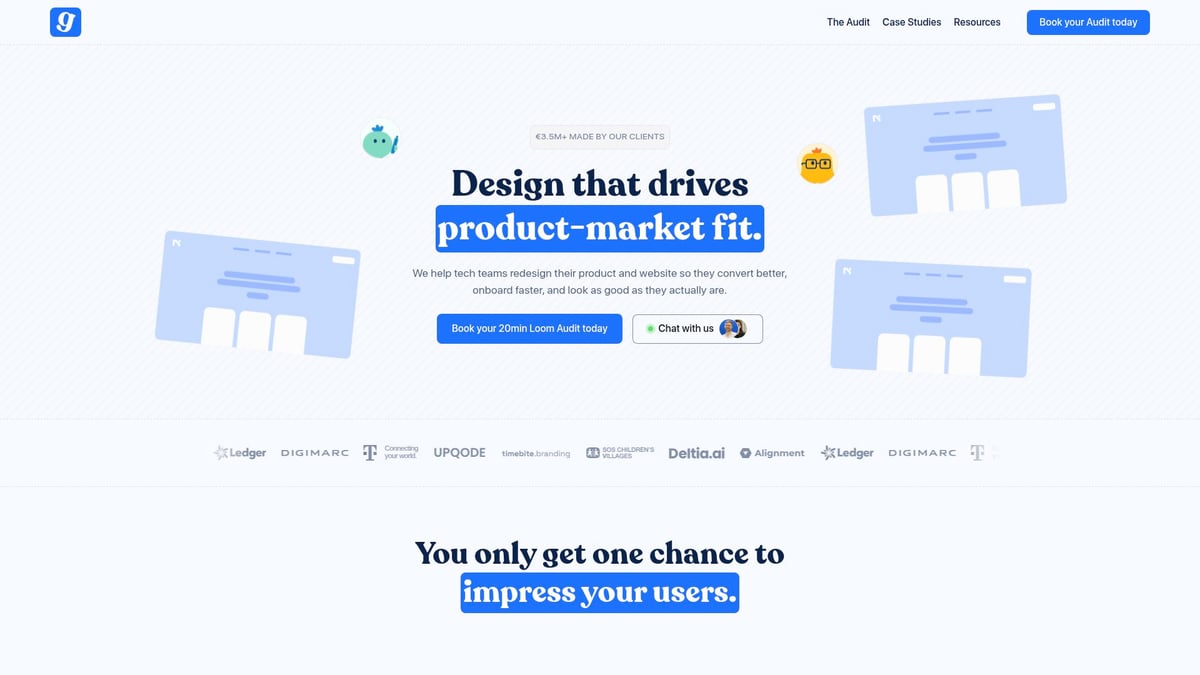
Their services range from rapid audits to complete redesigns and ongoing design partnerships. Grauberg’s approach ensures every detail, from branding to in-app support, supports your growth objectives.
Why a Holistic Design Partner Matters
Choosing the right partner for service product design can transform your SaaS startup’s trajectory. A senior, hands-on design team that understands both service and product touchpoints helps avoid costly missteps. Flexible engagement options allow you to scale design investment as your company grows.
A holistic partner bridges gaps between development, marketing, and customer success. This alignment leads to faster launches, higher customer satisfaction, and a stronger competitive position.
Practical Takeaways for Founders and Product Leaders
To maximize growth, founders and product leaders should prioritize unified service product design across their startup. Start by mapping the full user journey, identifying gaps between service and product experiences. Seek partners with SaaS expertise and a proven track record of measurable results.
Remember, investing in integrated service product design is not just about aesthetics—it’s about driving sustainable growth and delivering value at every stage.
After exploring how service and product design shape the entire user journey for SaaS startups, it’s clear that connecting your landing page with your in app experience can make all the difference for growth. If you’re serious about boosting conversion rates and reaching product market fit faster, why not get a fresh set of eyes on your product and website? Let’s uncover simple ways to align your messaging and UX for better results. You can kick things off by grabbing a Book a free Product Website Audit and see what opportunities are waiting for your startup.