User Experience Requirements Guide for Success in 2026
Discover the key user experience requirements for 2026. Master modern UX trends, accessibility, personalization, and strategy to ensure your digital success.
In 2026, the bar for digital products is set higher than ever. Users expect more than just working interfaces—they demand seamless, meaningful experiences. That is why understanding and mastering user experience requirements is critical for any business hoping to stand out.
This guide is designed for product teams, designers, and founders who want to stay ahead. You will find a step-by-step, actionable framework to help you meet and exceed today’s evolving standards.
Explore the latest principles, accessibility mandates, personalization strategies, technology shifts, and measurement tactics. Discover how superior UX is your ticket to a lasting competitive advantage. Let’s dive in and transform your approach to digital success.
The Evolving Landscape of User Experience in 2026
Digital landscapes are changing rapidly, and user experience requirements are evolving just as quickly. In 2026, businesses must understand the new rules of engagement to keep up with rising user expectations. Let’s break down the key shifts shaping the future of user experience.
UX Trends and Shifts
The digital world is seeing a surge in mobile-first and cross-platform expectations. Users now demand seamless omnichannel experiences wherever they interact with brands. AI and automation are leading to more personalized, predictive interactions, with 85% of users in 2025 expecting products to anticipate their needs (Gartner).
Voice, gesture, and AR/VR are becoming standard modalities, while micro-interactions are crucial for engagement. As UX expands to IoT and connected devices, the landscape grows more complex. To stay ahead, businesses must master UX design requirements explained and ensure every touchpoint feels intuitive and connected.
User Behavior and Expectations
Today’s users have zero tolerance for friction. They want instant gratification, with onboarding that feels effortless. Attention spans are shrinking, and 70% of users abandon apps after a single bad experience (Nielsen Norman Group).
Transparency, privacy, and ethical data use are non-negotiable. Gen Z digital natives are driving trends toward visually rich, intuitive interfaces. Meeting user experience requirements means anticipating these behaviors and designing for clarity and trust from the first interaction.
Regulatory and Industry Standards
Regulatory updates are reshaping user experience requirements. Accessibility standards like WCAG 3.0 and ADA compliance are more critical than ever. Data privacy rules such as GDPR and CCPA now influence every UX flow.
Industry-specific regulations in health, finance, and education add layers of complexity. Lawsuits related to digital accessibility jumped 30% in 2025 (UsableNet), highlighting the need for inclusive and ethical design. Adopting design systems and robust UX governance is essential for staying compliant and building user trust.
The Business Impact of UX
Strong user experience requirements are now a business imperative. Companies investing in UX see conversion and retention rates soar, with Forrester reporting 2x higher revenue growth for those prioritizing UX.
In crowded digital markets, UX is a differentiator. Poor experiences lead to churn and damage brand reputation. On the other hand, exceptional UX drives innovation, enabling companies to adapt quickly and capture new opportunities.
Challenges for Product Teams
Meeting user experience requirements is not without its hurdles. Teams must balance speed-to-market with UX quality and manage complexity across platforms and devices. Aligning business goals with user needs is an ongoing challenge.
Integrating new technologies without overwhelming users and scaling UX processes as organizations grow are top concerns. Notably, 60% of startups cite UX debt as a barrier to growth, underscoring the importance of investing in scalable, user-focused design from the start.
Core User Experience Requirements for Success
Delivering outstanding digital products in 2026 means mastering a set of user experience requirements that go far beyond the basics. The following core pillars set the foundation for digital success, shaping how users interact, engage, and return to your product.
Accessibility and Inclusivity
Accessibility is no longer optional. Designing for all users, including those with disabilities, is a fundamental part of modern user experience requirements. Implementing standards like WCAG 3.0 and ensuring ADA compliance opens your digital doors to a wider audience.
Consider semantic HTML, ARIA labels, and keyboard navigation as must-haves. Testing with screen readers and voice commands helps uncover barriers that might otherwise go unnoticed. Inclusive language and culturally aware design choices further extend your reach, making everyone feel welcome. Accessible sites can reach 15% more of the population, so prioritizing these aspects is both the right thing to do and a strategic move.
Usability and Intuitive Navigation
Usability sits at the heart of user experience requirements. Clear information architecture and content hierarchy make your product easy to navigate. Consistent navigation elements across devices build trust and familiarity.
Users judge a site's credibility by its usability. Use recognizable icons and patterns to reduce the learning curve. Streamline onboarding and task flows for instant value. For practical strategies, see what makes navigation intuitive. Prioritizing intuitive navigation ensures users find what they need effortlessly.
Performance and Speed
Speed is a critical part of user experience requirements. Fast load times across all devices and networks keep users engaged and reduce bounce rates. Optimized images, code, and server responses are essential.
Progressive web apps allow access even offline or in low-bandwidth environments. Techniques like lazy loading and caching boost performance further. Real-time feedback for user actions, such as loading spinners or progress bars, keeps users informed and reassured. Even a one-second delay can reduce conversions by 7%, so every millisecond matters.
Personalization and Adaptive Content
Personalization is now a user expectation and a core element of user experience requirements. Dynamic content tailored to individual preferences and behaviors increases engagement and satisfaction.
AI-driven recommendations and predictive interfaces anticipate user needs. Context-aware notifications deliver relevant information at the right time. Adaptive layouts ensure all user segments enjoy a tailored experience. Crucially, provide users with control over their privacy and personalization settings to build trust and loyalty.
Trust, Security, and Privacy
Trust and security are non-negotiable user experience requirements. Transparent data collection and usage policies foster confidence. Implement secure authentication methods, such as multi-factor authentication and biometrics, to protect user data.
Visual cues like SSL badges and privacy icons signal a safe environment. Make privacy controls and consent management easy to find and use. Regular security updates and vulnerability testing protect both your users and your brand reputation. Remember, 90% of users abandon apps with unclear privacy practices.
Emotional Engagement and Delight
Emotional engagement is a powerful driver within user experience requirements. Micro-interactions and subtle animations provide feedback and create moments of delight. Storytelling elements help build a deeper brand connection.
Gamification motivates users and rewards positive behaviors. Well-crafted empty states and error messages turn potential frustrations into helpful guidance. A consistent voice and tone that resonates with your audience can increase user retention by 30% and turn users into advocates.
Continuous Improvement and Feedback Loops
Continuous improvement is the backbone of effective user experience requirements. Build in mechanisms for user feedback, such as surveys and ratings, to gather insights directly from your audience.
Regular usability testing and A/B experimentation uncover what works and what does not. Data-driven iteration cycles allow for rapid adjustments and improvements. Communicate product changes transparently and respond quickly to user-reported issues. Companies that prioritize continuous UX optimization see significantly higher Net Promoter Scores and long-term loyalty.
Integrating UX Requirements into Product Development
Integrating user experience requirements into your product development process is essential for digital success in 2026. Teams that embed UX thinking early and consistently build products that win loyalty, drive engagement, and stand out in a crowded market. Let’s break down the key stages of weaving user experience requirements into every step of your workflow.
UX Research and Discovery
The foundation of meeting user experience requirements lies in understanding your audience deeply. Start with user interviews, surveys, and ethnographic studies to uncover real-world needs. Develop personas and journey maps to visualize how different users interact with your product.
Identify pain points and unmet needs by analyzing user feedback and observing behavior. Competitive benchmarking and heuristic analysis help you see where your product stands and what innovations matter. Prioritize features based on user value, not just business desires.
A research-driven approach ensures your user experience requirements are informed by real data, not assumptions. This groundwork sets the stage for everything that follows.
Collaborative Design and Prototyping
Cross-functional collaboration is a game changer for user experience requirements. Bring together designers, product managers, engineers, and even marketers for workshops and design sprints. Use tools like Figma or Sketch for rapid prototyping, allowing teams to visualize ideas early.
Iterative wireframing and mockups let you test concepts before investing in full development. Involve stakeholders and developers from the start to ensure alignment and feasibility. Invite real users to interact with prototypes, gathering valuable insights.
When everyone is part of the process, user experience requirements become a shared responsibility, resulting in solutions that are both creative and practical.
UX Testing and Validation
Validating user experience requirements through testing is non-negotiable. Conduct usability tests—remote or in-person, moderated or unmoderated—to see how real users navigate your product. Use A/B and multivariate testing to optimize key flows and content.
Heatmaps and analytics reveal where users click, scroll, or drop off. Accessibility audits and compliance checks ensure your product is usable by everyone. For a detailed approach, follow a UX audit step-by-step process to systematically assess and improve your product’s compliance with user experience requirements.
Iterate based on feedback, making data-driven changes that enhance usability and satisfaction.
Agile UX and Continuous Delivery
Embedding user experience requirements into agile workflows keeps quality and speed in harmony. Integrate UX tasks into sprints and backlogs, ensuring design is part of every release cycle. Use design systems to maintain consistency across platforms and features.
Regular retrospectives help teams refine processes and address challenges quickly. Balance the need for a minimum viable product with the demand for exceptional user experience requirements. Document learnings and share knowledge to help teams scale best practices.
Continuous delivery of small, user-focused improvements leads to products that evolve with user needs.
Measuring and Reporting UX Success
To ensure your user experience requirements are making an impact, define clear UX KPIs. These might include task success rates, time on task, customer satisfaction scores, or Net Promoter Score (NPS). Set up analytics dashboards for real-time tracking.
Compare qualitative feedback with quantitative data to get a holistic view. Monitor churn, retention, and conversion to link UX outcomes to business goals. Share insights across your organization to foster a culture of user-centered decision-making.
Regular measurement enables you to refine user experience requirements and demonstrate their value to stakeholders.
Overcoming Implementation Barriers
Every team faces obstacles when embedding user experience requirements. Common challenges include limited resources, skill gaps, or competing priorities. Gain stakeholder buy-in by showing the link between UX and business success.
Invest in UX training and create a culture that values continuous improvement. Address technical constraints by collaborating closely with developers. As your organization grows, scale UX processes with clear guidelines and shared tools.
By proactively managing barriers, you ensure user experience requirements remain at the heart of product development, driving both innovation and long-term success.
The Role of Emerging Technologies in UX Requirements
Emerging technologies are rapidly transforming user experience requirements as we approach 2026. Product teams must understand how AI, AR/VR, voice, gesture, and data ethics are reshaping digital interactions. Staying ahead means integrating these innovations into every stage of the user journey.
Artificial Intelligence and Machine Learning
Artificial intelligence is redefining user experience requirements by enabling deeper personalization and smarter interfaces. AI-driven recommendations, predictive search, and conversational chatbots help products adapt to each user’s needs. For instance, automated accessibility tools can ensure inclusive design from the start.
Companies are using AI to deliver context-aware notifications and streamline navigation. The rise of generative AI also introduces ethical considerations, requiring transparency in how decisions are made. As highlighted in AI's Impact on UX Design, AI enhances real-time personalization, making digital experiences more adaptive and engaging. Embracing these innovations is crucial for meeting future user experience requirements.
Immersive Experiences: AR/VR and Beyond
Augmented and virtual reality are expanding user experience requirements well beyond the traditional screen. AR overlays provide users with real-time guidance, product information, or educational content directly in their environment. VR is increasingly used for immersive training, simulation, and remote collaboration.
Designing spatial interfaces and 3D navigation requires a fresh approach to accessibility and consistency across devices. Teams must ensure XR experiences are intuitive and inclusive for all users. As AR/VR adoption grows, integrating these modalities into your product strategy will become a standard part of user experience requirements.
Voice, Gesture, and Multimodal Interfaces
Voice and gesture controls are now essential user experience requirements for products aiming to deliver touchless, intuitive interactions. Designing for natural language processing lets users navigate apps hands-free, while gesture-based interfaces offer a new layer of convenience.
Modern digital products often blend voice, gesture, and traditional UI elements to create multimodal experiences. Testing and optimizing these flows is key to ensuring a seamless user journey. Privacy and user control remain at the forefront, as ambient interfaces collect and process more contextual data.
Data, Privacy, and Ethics in Emerging Tech
Responsible data management is a fundamental part of user experience requirements, especially as emerging technologies grow more powerful. Clear communication about how data is collected and used builds trust and reassures users.
Transparency in algorithmic decision-making is essential for ethical design. Teams must prioritize inclusivity, ensuring that AI and immersive experiences work for everyone. Keeping up with evolving regulations and user expectations around privacy will help future-proof your user experience requirements.
Building a High-Performance UX Team for 2026
As digital products become more sophisticated, building a high-performance UX team is crucial for meeting user experience requirements in 2026. The right mix of skills, processes, and culture can set your organization apart in a crowded market. Let’s explore how to structure, empower, and grow a team that consistently delivers exceptional results.
Essential Roles and Skills
A modern UX team is more than just designers. You’ll need UX researchers to uncover insights, writers for clear communication, and accessibility specialists to ensure inclusive design. Product managers and UX engineers bridge gaps between vision and execution.
Teams with diverse roles, such as those combining design and data skills, consistently outperform single-discipline groups. According to Global UX Market Growth, demand for UX talent is rising globally as organizations prioritize user experience requirements. Ongoing education, empathy, and collaboration are non-negotiable for success.
Processes and Workflows for Success
High-performing teams rely on strong workflows. Implementing design systems and shared libraries brings consistency across products. Agile and lean UX methodologies help teams adapt quickly, while regular design critiques and peer reviews drive continuous improvement.
Documentation ensures knowledge is accessible, and cross-functional alignment with development and marketing keeps everyone moving toward the same goals. Incorporating foundational Laws of UX principles into your process ensures user experience requirements are met at every stage of development.
Fostering a Culture of UX Excellence
A culture of excellence starts with leadership buy-in and ongoing investment in UX. Encourage continuous learning and celebrate both wins and lessons learned from failures. Internal communities of practice foster knowledge sharing and experimentation.
Empowering your team to innovate and take risks can lead to breakthrough solutions that exceed user experience requirements. When everyone, from junior designers to executives, values UX, your organization becomes more resilient and adaptable.
Partnering with Specialized UX Agencies
Sometimes, the fastest route to high performance is partnering with specialized UX agencies. These experts offer fresh perspectives, fill skill gaps, and help teams accelerate delivery without compromising on user experience requirements.
Agencies can provide rapid audits, lead product launches, or embed senior designers for ongoing collaboration. This approach is especially valuable for startups or businesses scaling quickly, ensuring expert guidance is available when and where it’s needed.
Future-Proofing Your User Experience Strategy
Staying ahead in digital markets requires a commitment to evolving user experience requirements. In 2026, businesses must anticipate user needs, scale design practices, and measure long-term impact. Let’s break down how to future-proof your approach and maintain a competitive edge.
Anticipating User Needs and Market Shifts
Understanding tomorrow’s users means looking beyond current preferences. Early adopters of trends like mobile-first design saw a 30% increase in market share. Today, product teams must regularly analyze trends, conduct user research, and plan for shifting behaviors.
Scenario planning helps teams prepare for unexpected changes. Rapid prototyping lets you test new concepts quickly, while competitor monitoring keeps you informed. Explore Emerging UX Design Trends to stay updated on innovations that will shape user experience requirements in the years ahead.
Scaling UX Across Products and Platforms
As organizations grow, scaling user experience requirements across multiple products becomes vital. Design systems create consistency, while centralized governance ensures standards remain high. Companies with unified UX see 35% higher retention rates.
Coordinate efforts across teams with clear communication. Localization and internationalization let you reach global audiences. During rapid expansion, maintaining quality is key, so regular audits and feedback loops are essential for meeting user experience requirements.
Measuring Long-Term UX Impact
Long-term success depends on tracking the results of your user experience requirements strategy. This involves monitoring satisfaction, loyalty, and business KPIs such as retention and conversion rates. Companies that measure Net Promoter Score (NPS) over time tend to sustain growth.
Continuous benchmarking keeps your UX competitive. Use cohort analysis to discover retention patterns and share impact stories with stakeholders. This approach ensures your user experience requirements remain aligned with business goals and user expectations.
Investing in UX Education and Training
A future-proof strategy invests in people. Ongoing education ensures teams stay current with user experience requirements. Teams with annual UX training outperform their peers by 20%.
Encourage certification, mentorship, and conference participation. Build an internal knowledge base to support onboarding and development. By partnering with educational institutions, organizations can keep skills sharp and adapt to new challenges in user experience requirements.
How Specialized UX Agencies Accelerate Startup Success
Startups often struggle to meet user experience requirements due to limited resources. Specialized agencies like Grauberg offer rapid audits, product relaunches, and embedded partnerships tailored for SaaS and tech startups.
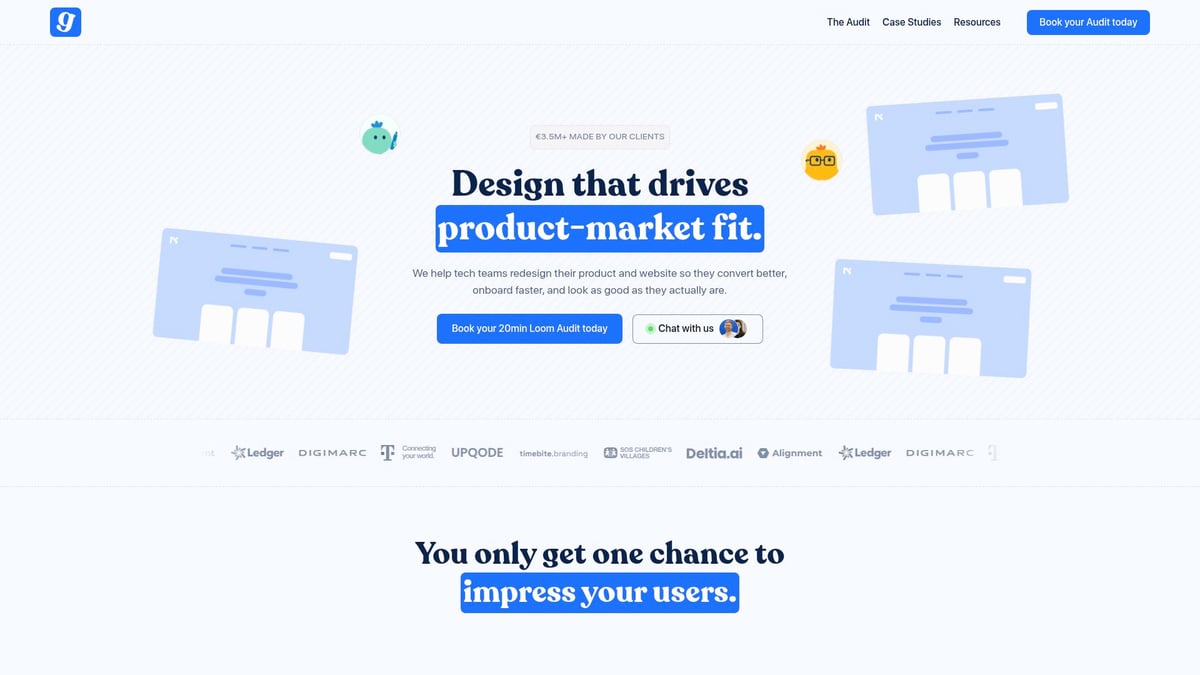
Partnering with experienced design agencies brings actionable insights and senior-level expertise. Grauberg integrates landing page and product journeys, ensuring a cohesive user experience. Case studies show improved onboarding, conversion rates, and accelerated funding rounds, helping startups close UX gaps without hiring full-time staff.
Adapting to Regulatory and Ethical Changes
Staying compliant with evolving standards is central to user experience requirements. Proactive compliance reduces risk and protects your brand. Regular audits keep accessibility, privacy, and data practices up to date.
Ethical decision-making should be woven into UX processes. Communicate transparently with users about regulatory updates and work closely with legal teams. This keeps your user experience requirements both effective and responsible.
Creating a Roadmap for UX Excellence
A clear roadmap aligns user experience requirements with business objectives. Teams using roadmaps deliver 50% more features on time. Prioritize initiatives based on impact, feasibility, and user value.
Review and update your roadmap regularly. Engage stakeholders for input and celebrate milestones. By iterating on successes, you create a culture that champions user experience requirements and drives long-term growth.
If you’re looking at your product and website and wondering if they’re really ready for the UX standards of 2026, you’re not alone. We’ve unpacked a lot here about seamless journeys, intuitive design, and keeping up with evolving user demands. But sometimes, you need a fresh set of eyes and expert advice to know where you stand. That’s where we come in—let’s take the first step together. You can Book a free Product Website Audit and get personalized, actionable insights tailored to your startup’s unique journey.