Web Design Future Guide: Insights and Trends for 2026
Discover the web design future with expert insights on 2026 trends, AI, accessibility, and immersive UX. Future proof your site with actionable strategies now.
The digital world is changing faster than ever. Will your website thrive in 2026, or fade into the background?
In this guide, we explore the web design future, uncovering the trends, technologies, and strategies that will define standout sites in 2026.
You'll discover actionable insights on new design trends, the impact of AI, automation, accessibility, immersive experiences, and sustainable practices.
Stay ahead by learning how to adapt, innovate, and create web experiences that stand out and convert in the years to come.
The Evolution of Web Design: Where We Stand in 2026
The web design future is shaped by a decade of rapid transformation. As the digital world continues to evolve, understanding how we arrived at today's landscape is essential for anticipating what comes next. Let's explore the key shifts, current market realities, and the challenges that define the web design future in 2026.
Historical Perspective: Key Shifts in the Last Decade
The last ten years have seen remarkable changes. In 2016, most websites were static and visually simple. Now, dynamic, interactive experiences are the standard. Some of the most significant milestones include:
The shift from static HTML sites to dynamic, JavaScript-powered applications.
The adoption of mobile-first and responsive design, ensuring seamless experiences across devices. Learn more about these core principles in this guide to responsive web design essentials.
The influence of social platforms, encouraging content sharing and community-driven features.
The rise of design systems and frameworks, making web projects more consistent and scalable.
These shifts have set the stage for the web design future, where adaptability and user-centricity are non-negotiable.
Current State: Market and User Expectations
As of 2026, the web design industry is booming. Valued at nearly $100 billion and growing rapidly, the market welcomes hundreds of thousands of new websites daily. This fierce competition means brands must stand out.
Key statistics reveal the stakes:
252,000 new websites launch every day.
53% of shoppers research brands online before making a purchase.
Users expect fast, seamless, and personalized experiences.
Conversion-focused, human-centric design is now the baseline. The web design future is about more than aesthetics. It is about delivering value, building trust, and meeting evolving user expectations.
Challenges Facing Designers and Businesses
Despite these advances, the path to success is not simple. The web design future brings several challenges for designers and businesses:
Keeping up with rapid technological change and new tools.
Balancing beauty, usability, and accessibility for all users.
Designing for a vast array of devices and browsers.
Meeting rising expectations for privacy and data security.
Ensuring that every design investment delivers measurable business impact.
These challenges demand ongoing learning, agility, and a commitment to excellence. The web design future belongs to those who can adapt and innovate while keeping users at the center.
AI, Automation, and the Rise of Intelligent Web Experiences
Artificial intelligence and automation are at the core of the web design future. As digital experiences become smarter and more adaptive, designers and businesses must embrace these technologies to stay ahead. Let’s explore how AI-driven tools, automation, and intelligent interfaces are transforming the landscape.
Artificial Design Intelligence (ADI) in Practice
Artificial Design Intelligence is rapidly changing how websites are built and maintained. By 2024, 72% of companies had adopted AI for at least one business function, showing that the web design future is already here. ADI tools now automate everything from layout creation to color schemes and content hierarchy.
For example, AI can analyze user data to personalize landing pages or suggest the most effective design patterns for conversions. Automated testing and bug detection streamline the process, improving both user experience and SEO. To see how these trends are evolving, check out this overview of AI Integration in Web Design, which covers automation and its growing impact.
Designers now spend less time on repetitive tasks and more on creative problem-solving. This shift is essential as competition and user expectations continue to rise.
Voice User Interfaces (VUI) and Conversational Design
Voice technology is another major force shaping the web design future. By 2027, over 162 million Americans are expected to use voice assistants, such as Alexa, Google Assistant, and Siri. Voice user interfaces leverage advanced speech recognition and contextual understanding, enabling users to navigate websites hands-free.
Conversational design brings a more human touch to digital interactions. Instead of clicking through menus, users can ask questions or give commands, making the experience feel natural. For businesses, integrating VUI means reaching broader audiences, including those who prefer voice over traditional interfaces.
VUI also improves accessibility for users with mobility or vision challenges, making websites more inclusive and future-ready.
Smart Personalization and Predictive UX
Personalization is at the heart of the web design future. AI-driven segmentation allows websites to deliver tailored content and product recommendations based on user demographics and behavior. Interfaces can adapt in real time, responding to user actions and preferences.
For example, an e-commerce site might adjust its homepage to showcase products relevant to a returning visitor. Predictive UX goes a step further, anticipating needs before users even express them. However, as personalization grows, so do privacy concerns. Transparent data practices and clear consent are crucial for building trust.
Balancing customization with user privacy is essential as AI-powered personalization becomes the norm.
AI-Powered Chatbots and Customer Support
AI-powered chatbots have evolved far beyond basic scripts. With advances in natural language processing, bots like Woebot can now deliver personalized support, from troubleshooting to mental health guidance. These chatbots provide 24/7 assistance, answering questions instantly and freeing up human teams for more complex tasks.
In the web design future, chatbots will become even more conversational and context-aware, improving satisfaction and retention. For businesses, this means faster response times, reduced support costs, and happier users.
The ability to offer instant, personalized help is quickly becoming a competitive advantage.
Automation in Accessibility and Compliance
Accessibility is a foundational element of the web design future. AI tools can now scan websites for accessibility errors and suggest real-time fixes, ensuring compliance with WCAG and ADA standards. Automated checks make it easier to catch issues early and maintain inclusive digital spaces.
For designers, this automation means less manual testing and greater confidence that their sites are usable by all. Accessibility automation also helps organizations avoid legal risks and reach a wider audience.
Making accessibility part of the workflow from the start is key to building ethical, future-proof web experiences.
Immersive and Interactive Experiences: AR, VR, and Motion Design
Immersive and interactive experiences are at the heart of the web design future. As users crave deeper engagement, technologies like augmented reality, virtual reality, and motion design are transforming how we interact with websites. These innovations are not just trends—they are redefining what users expect from digital experiences.
Virtual and Augmented Reality Integration
Virtual and augmented reality are no longer reserved for gaming. In the web design future, AR and VR are entering e-commerce, education, and B2B spaces. Imagine shoppers trying on glasses virtually or students exploring 3D models in their browser. Brands use 3D product visualizations and virtual walkthroughs to drive engagement and boost conversions.
A great example is Scientific American’s interactive 3D virus demo, which lets users explore complex structures in real time. Architecture, travel, and online retail also benefit from AR/VR by offering virtual tours and interactive previews. For a deeper dive into how these technologies are shaping the Impact of 3D and VR on Web Design, check out this detailed analysis.
The web design future demands that brands leverage AR and VR to build memorable, interactive journeys. As adoption grows, these tools will become standard for forward-thinking sites.
Motion UI and Liquid Animations
Motion UI and liquid animations are more than visual flourishes—they guide users and highlight key content. In the web design future, fluid animations and micro-interactions set brands apart. Hover effects, scroll-triggered animations, and animated forms create intuitive, delightful experiences.
Apple’s MacBook Air product page uses scroll-in animations to tell a story as users navigate. This approach keeps visitors engaged and makes complex information easier to digest. Thoughtful motion design can direct attention, reduce cognitive load, and increase time spent on site.
Designers in the web design future must balance creativity with usability. Well-crafted animations should enhance, not distract from, the user journey.
Interactive Storytelling and Engagement
Interactive storytelling blends narrative with engagement, creating a web design future where users are active participants. Brands use quizzes, polls, and choose-your-own-adventure journeys to connect more deeply with visitors.
Gamification is a powerful technique—reward systems and progress bars encourage users to explore more content. Interactive timelines, product builders, and configurators turn passive browsing into memorable experiences. These tactics increase time-on-site and drive higher conversion rates.
The web design future is about forging emotional connections. By making users part of the story, sites become more than destinations—they become experiences.
Sensory Web: Beyond Visuals
The sensory web is expanding the boundaries of the web design future. Sites now engage more than just the eyes—they use sound, haptics, and responsive feedback to create multisensory experiences. Emerging web standards are enabling richer interactions.
For example, subtle audio cues can signal successful actions, while haptic feedback on mobile devices provides physical confirmation. Experimental projects are exploring how to integrate touch and sound for a more immersive web.
Designers who embrace the sensory web in the web design future will appeal to a broader range of senses, making digital experiences more memorable and accessible.
Technical Considerations and Performance
Immersive features are exciting, but they come with technical challenges. The web design future requires balancing rich experiences with speed and performance. Heavy 3D assets or complex animations can slow down sites, especially on mobile.
Progressive enhancement strategies ensure that experiences remain accessible across devices and networks. Designers optimize assets, leverage lazy loading, and test features broadly. Accessibility and inclusivity must be considered at every stage.
In the web design future, success depends on delivering immersive, interactive journeys without sacrificing speed or usability. The best sites are both engaging and efficient.
Inclusive, Accessible, and Human-Centered Design in 2026
Designing for the web design future means putting people first. In 2026, inclusive, accessible, and human-centered design is no longer a bonus, but a baseline expectation for any website that wants to thrive.
Accessibility as a Baseline, Not an Afterthought
Legal and ethical requirements have pushed accessibility to the forefront of web design future discussions. Automated tools now scan for errors, but manual testing remains essential for real-world usability.
Designers must consider a wide range of disabilities, including vision, hearing, cognitive, and mobility challenges. Common strategies include:
Using semantic HTML for screen readers
Ensuring strong color contrast
Providing keyboard navigation for all interactive elements
Adding descriptive alt text for images and media
By integrating accessibility from the start, brands avoid costly retrofits and reach a broader audience, making their web design future-proof and compliant.
Inclusive Design Principles
Inclusive design means inviting input from diverse user groups and actively seeking feedback from underrepresented voices. It is not about one-size-fits-all solutions, but about flexibility and empathy.
For example, digital stewardship expert Vitaly Friedman champions inclusive design as key to building sustainable digital spaces. This approach aligns with the Future of UX design, which emphasizes adaptability and continuous improvement as central to the web design future.
Culturally sensitive layouts, multilingual support, and region-specific content ensure the web design future is welcoming for global audiences.
Personalization Without Exclusion
Personalization is a hallmark of the web design future, but it must empower users rather than restrict them. Offering customization options, such as adjustable font sizes, color contrast, and language preferences, allows everyone to tailor their experience.
It is important to steer clear of dark patterns and manipulative UX tactics. Instead, prioritize transparency and give users control over their data and interactions. This approach ensures the web design future is both innovative and ethical.
Digital Sustainability and Ethical Practices
Sustainable practices are inseparable from the web design future. Designers measure and reduce digital carbon footprints by choosing green hosting, optimizing assets, and writing efficient code.
Ethical practices also include transparent data collection and responsible privacy policies. By adopting these principles, your web design future will not only be environmentally conscious but also build credibility with users who value sustainability.
Building Trust Through Respectful Design
Trust is the cornerstone of the web design future. Minimize intrusive pop-ups and respect your user’s attention by communicating value clearly and honestly.
Effective strategies include:
Presenting privacy policies in plain language
Using gentle, non-disruptive notifications
Highlighting user benefits at every step
By prioritizing respectful design, brands foster loyalty and set themselves apart in the evolving web design future.
Future-Proofing Your Website: Practical Strategies for 2026 and Beyond
Change is relentless, and the web design future will reward those who act with intention. To ensure your website remains relevant and high-performing, take a systematic approach to future-proofing. Here is a practical, step-by-step blueprint for building resilience and adaptability into your digital presence.
Step 1: Audit and Benchmark Your Current Web Presence
Begin by taking stock of where you stand. Use modern analytics tools and accessibility checkers to assess your site's speed, usability, and compliance. Benchmark your web design future against industry leaders and identify what sets top performers apart.
Audit Area | Tool Example | Why It Matters |
|---|---|---|
Performance | Google Lighthouse | Faster load times |
Accessibility | axe, WAVE | Wider audience reach |
UX/Conversion | Hotjar, GA4 | Higher engagement |
Pinpoint conversion blockers, outdated visuals, and technical debt. For a detailed methodology, consult this web design guide for startups to structure your audit process.
Step 2: Embrace Modular and Scalable Design Systems
Consistency is the backbone of the web design future. Shift to modular design systems using reusable components, design tokens, and atomic principles. This approach saves development time and ensures seamless scaling as your features grow.
Consider building a pattern library. Map out your UI elements, from buttons to navigation bars, so your team can rapidly assemble new pages. A scalable system supports brand consistency and enhances user trust.
Step 3: Integrate AI and Automation Thoughtfully
AI is reshaping the web design future by automating repetitive tasks and unlocking smarter personalization. Choose AI tools that align with your business goals, such as automated layout suggestions or real-time analytics.
Balance automation with human oversight. Monitor AI-driven changes regularly to maintain your unique brand voice. Remember, the best sites blend advanced technology with authentic storytelling.
Step 4: Prioritize Accessibility and Inclusivity
Accessibility must be a core value, not an afterthought. Incorporate accessibility checks into every project phase, using both automated tools and manual reviews. Train your teams on inclusive design patterns to ensure your web design future welcomes everyone.
Offer customization options like adjustable font sizes, color contrasts, and multilingual support. This empowers every visitor and demonstrates a commitment to inclusivity.
Step 5: Create Immersive, Interactive User Journeys
Immersive experiences define the web design future. Map your entire user journey, from landing page to product interaction. Add interactive elements—such as quizzes, polls, or 3D product demos—that support user goals.
Micro-interactions (hover effects, scroll animations)
Virtual/augmented reality previews
Gamified onboarding flows
Test these features across devices, ensuring they enhance—not distract from—user engagement.
Step 6: Optimize for Speed, SEO, and Sustainability
Speed is non-negotiable in the web design future. Compress images, implement lazy loading, and leverage CDNs. Follow Core Web Vitals and SEO best practices for higher search rankings and better user retention.
Choose sustainable hosting, minimize code bloat, and measure your site’s carbon footprint. These steps benefit both users and the environment.
Step 7: Measure, Iterate, and Stay Ahead of Trends
Continuous improvement is vital for the web design future. Set up robust analytics to track performance and conversion goals. Gather real user feedback and run A/B tests to refine your strategies.
Stay informed with industry resources like Top UX/UI design trends 2024 to anticipate shifts before competitors do. Be proactive, not reactive, in your design evolution.
How Grauberg Helps SaaS Startups Future-Proof Their Web Design
Grauberg specializes in aligning landing pages and products for a seamless user journey—an essential part of the web design future. Their team delivers rapid audits, full-scale redesigns, and ongoing partnerships tailored for B2B startups.
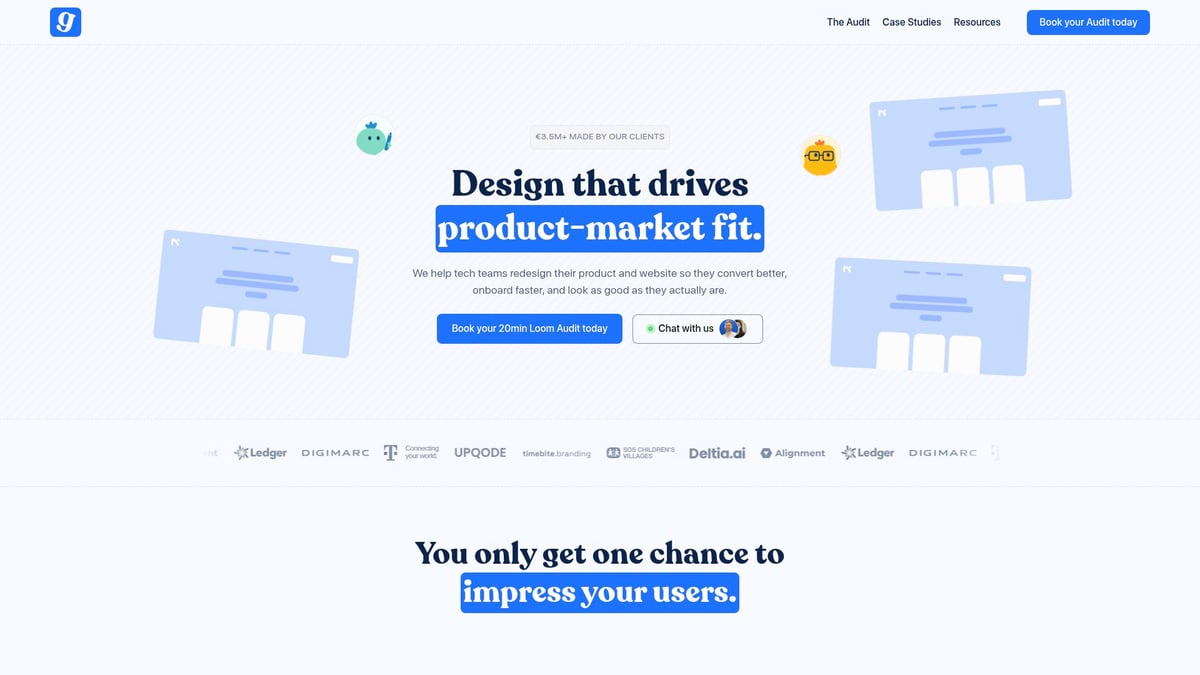
Clients benefit from dev-ready, high-converting design assets. Grauberg’s expertise helps startups achieve faster product-market fit and greater growth, making them an ideal partner for future-focused SaaS companies.
Web Design Trends to Watch: What Will Shape 2026 and Beyond?
The web design future is unfolding at an exciting pace, with new trends reshaping how users interact with digital experiences. As the industry grows rapidly—expected to hit over $90 billion by 2030 according to Web Design Industry Growth Projections—understanding these trends is crucial for anyone aiming to stay ahead. Let’s explore what will define the look, feel, and function of the web in 2026 and beyond.
Minimalist and Functional Aesthetics
Simplicity is becoming the hallmark of the web design future. Clean layouts, generous whitespace, and bold typography are now prioritized to help users focus on what matters most. Designers are moving away from clutter and ornamentation, creating interfaces that are both beautiful and highly functional.
This shift not only enhances usability but also improves load times and accessibility. Expect to see more brands embracing purposeful color schemes and subtle visual cues that guide users through content effortlessly.
Retro-Modern Mashups and Nostalgic Design
A playful nostalgia is making its way into the web design future. Designers blend retro graphics, pixel textures, and even arcade-inspired visuals with today’s fast, responsive frameworks. This fusion creates a unique sense of familiarity while still delivering cutting-edge performance.
Brands are tapping into this trend to evoke emotion, stand out, and offer memorable digital experiences. The result is a delightful mix of old and new that appeals across generations.
Hyper-Personalization and Adaptive Content
Personalization is taking center stage in the web design future. Websites are now capable of dynamically adapting content based on user behavior, preferences, and even location. This means product recommendations, news feeds, and interfaces can change in real time to suit each visitor.
Such adaptive content requires robust data strategies and transparent privacy practices. As a result, users enjoy a more relevant, engaging, and efficient online journey.
Sustainability and Green Web Design
Sustainability is no longer a niche concern. Designers and developers are making conscious choices to reduce the environmental impact of websites. This includes using optimized assets, eco-friendly hosting, and clean code.
Visual cues like green badges or carbon-neutral certifications are becoming common, helping users identify brands that prioritize the planet. The push for green web design is set to grow as digital responsibility becomes a key differentiator.
Privacy-First and Transparent UX
Trust is central to the web design future. Modern websites feature clear consent forms, privacy dashboards, and minimal data collection. By giving users more control over their information, businesses can build lasting relationships.
Transparent user experiences not only meet regulatory requirements but also foster a sense of safety and respect. This approach is rapidly becoming standard practice in web design.
Cross-Platform and Device-Agnostic Experiences
The web design future demands seamless experiences across all devices, from desktops to wearables and IoT gadgets. Responsive design is now essential, with 90% of websites adopting it to boost engagement and conversions, as highlighted by the Importance of Responsive Design.
Designers focus on creating interfaces that look and function perfectly everywhere. This ensures users enjoy consistent journeys, no matter how they access your site.
The Ongoing Role of Human Creativity
While AI and automation are shaping the web design future, human creativity remains vital. Designers collaborate with intelligent tools to craft unique, emotionally resonant experiences that machines alone can’t replicate.
Storytelling, branding, and visual innovation are more important than ever. The blend of technology and human artistry is pushing boundaries and keeping digital spaces lively and engaging.
Preparing for What’s Next
Continuous learning is essential in the web design future. Staying updated through industry blogs, conferences, and design communities helps professionals anticipate and adapt to new trends.
By embracing flexibility and curiosity, web creators can ensure their digital products remain relevant, impactful, and ready for whatever comes next.
As we look ahead to 2026, it’s clear that the web is changing faster than ever—AI, immersive design, and user-centered experiences are shaping what success looks like. If you’re wondering how your own website or product stacks up, or where hidden friction might be holding you back, let’s take a closer look together. At Grauberg, we help founders like you align every step of the user journey, from the landing page to the product itself. Ready to see what’s possible for your startup’s next chapter Book a free Product Website Audit.