UI Design How To Guide: Essential Steps for 2026 Success
Master UI design how to with our 2026 guide Learn key steps tools and expert tips to create stunning user interfaces that boost conversions and business growth
In 2026, mastering UI design is more crucial than ever. It’s not just about looks, but about creating digital experiences that drive product success, boost user retention, and fuel business growth.
This ui design how to guide gives you a step-by-step roadmap for building standout products and websites. You’ll discover the essential foundations, the latest principles and trends, a proven design process, powerful tools, and expert strategies for real, measurable results.
UI expectations are evolving rapidly. Great design gives you a competitive edge, turning users into loyal customers. Ready to learn what it takes to create intuitive, high-converting interfaces? Follow these essential steps and set yourself apart in the digital-first world.
Understanding UI Design: Foundations for 2026
User expectations for digital experiences are at an all-time high. To succeed in this landscape, understanding the foundations of ui design how to is essential. Let’s break down what UI design means, why it matters, and how it shapes the future of digital products.
What Is UI Design and Why Does It Matter?
UI design is the process of creating visually engaging, interactive interfaces for digital products. It focuses on how users interact with screens, buttons, and elements. While UI is about look and feel, UX (user experience) covers the entire journey, including usability and satisfaction.
Why does this distinction matter for ui design how to? Good UI can make users feel comfortable and confident, while poor design leads to frustration and abandonment. As Figma says, “Good design goes unnoticed. Bad design frustrates users until they abandon your product entirely.” In SaaS, web, and mobile apps, intuitive UI enables quick adoption, while confusing layouts drive users away. For example, a clear dashboard helps users finish tasks fast, but cluttered menus slow them down. With a strong design system, teams reportedly finish objectives 34% faster.
Key Principles of Modern UI Design
Modern ui design how to focuses on principles that guide users and create clarity. The most important are:
Visual hierarchy: Direct users to key information.
Consistency: Uniform buttons, colors, and typography.
Contrast: Make text and elements stand out.
Accessibility: Ensure everyone, including users with disabilities, can interact.
Alignment and proximity: Group related items together.
Progressive disclosure: Show information when needed.
For a deeper dive, see these modern UI guidelines and principles. Applying these rules leads to interfaces that feel familiar and easy to use.
The Business Impact of Great UI
A strong grasp of ui design how to can transform business outcomes. Great UI boosts usability, making products easier and faster to use. This improves user retention and satisfaction, reduces cognitive load, and increases conversion rates.
Startups with improved UI often reach product-market fit more quickly. Streamlined workflows also benefit product teams, as a clear UI means less support and faster iteration. Figma data shows design systems make teams more efficient, letting them achieve goals 34% faster. The right UI can be the difference between a product that thrives and one that's quickly forgotten.
Trends Shaping UI Design in 2026
Staying ahead in ui design how to means embracing key trends. For 2026, watch for:
AI-driven personalization and adaptive layouts
Micro-interactions and motion to boost engagement
Minimalist, content-first interfaces
Dark mode and accessibility-first thinking
Responsive, device-agnostic design
Integration of new tech, like AR and voice UI
These trends help products stand out and meet user needs across platforms and devices. Keeping up with these changes ensures your UI remains modern and effective.
Step-by-Step UI Design Process: From Idea to Interactive Interface
Mastering the ui design how to process means breaking complex projects into manageable, logical steps. Whether you are launching a fresh product or redesigning an existing interface, following a proven process ensures clarity, efficiency, and measurable improvement. Let’s walk through each crucial phase, from initial research to post-launch optimization.
Step 1: Research and Discovery
Every successful ui design how to journey starts with understanding your project's goals and your audience’s needs. Begin by aligning with stakeholders on objectives and defining the core problems your product solves.
Conduct user research using interviews, surveys, and analytics. Dive into competitor analysis to see what works and what doesn’t in similar products. Identify user pain points and unmet needs, drawing inspiration from design communities like Behance and Dribbble.
For practical practice, try sharpen.design prompts or seek advice on Quora. Document everything in a design brief to set a strong foundation. For a deeper dive into each stage, explore this UI design process step-by-step guide.
Step 2: Information Architecture & User Flows
Once you have your research, map out user journeys and define key tasks. This step in the ui design how to process involves visually plotting navigation paths using user flow diagrams. These flows help you understand how users interact with your product and where obstacles might arise.
Organize content and features logically, prioritizing core actions. Use Figma’s FigJam or similar tools for collaborative mapping sessions. Ensure your flows address all user types, not just your primary audience.
Remember, a clear information architecture reduces friction and keeps users moving smoothly toward their goals. Reference Figma’s principles of hierarchy and progressive disclosure to guide your structure.
Step 3: Wireframing
With solid user flows, transition to wireframing in your ui design how to workflow. Start with low-fidelity wireframes that focus on structure over aesthetics. These simple layouts allow for rapid iteration and easy feedback collection.
Use tools like Figma, Sketch, or Balsamiq to sketch out main screens and navigation elements. Recreate screens from top apps as a learning exercise. Share wireframes with stakeholders early, testing for usability and clarity.
Wireframing prepares you for the next step by establishing a layout blueprint. Keep your process flexible, and be ready to adjust based on feedback.
Step 4: Visual Design & Prototyping
Now, bring your wireframes to life with high-fidelity mockups. In this stage of the ui design how to process, choose typography, color palettes, and iconography that align with your brand. Consistency is key, so apply branding guidelines throughout.
Leverage design systems for scalable components, ensuring uniformity and efficiency. Build interactive prototypes in Figma or Adobe XD, incorporating micro-interactions and subtle animations to engage users.
Clickable prototypes are essential for user testing, letting you gather real feedback before development. Always check for visual hierarchy and contrast to highlight important information and maintain clarity.
Step 5: Usability Testing & Iteration
Usability testing is where your ui design how to strategy proves its value. Invite real users to interact with your prototypes and observe their behaviors. Gather both qualitative and quantitative feedback to pinpoint pain points or confusing elements.
Iterate on your design based on these insights, refining interactions and addressing accessibility gaps. Weekly design critiques, such as those on ADPList, accelerate learning and improvement.
Document each improvement, building a case for your design decisions. This cycle of testing and iteration ensures your UI is polished, intuitive, and inclusive.
Step 6: Developer Handoff & Implementation
Smooth handoff is critical in the ui design how to process. Prepare assets and annotated design specs for developers using tools like Figma’s Dev Mode. Collaborate closely to ensure the design translates accurately into code.
Focus on responsiveness and cross-device compatibility. Test the implemented UI for pixel-perfect accuracy, and provide feedback as needed.
Maintain an open channel with developers for questions or clarifications. Ready-to-implement assets speed up development and reduce back-and-forth, keeping your project on track.
Step 7: Launch, Measure, and Optimize
With your UI live, the ui design how to journey continues. Monitor metrics such as conversion rates, engagement, and task completion. Use analytics platforms to identify improvement opportunities.
Collect ongoing user feedback and plan regular UI audits. Schedule updates to address new needs or trends. Figma data shows that well-aligned design systems yield measurable results, so keep optimizing.
Fostering a culture of continuous improvement ensures your product remains competitive and user-friendly in the fast-evolving digital landscape.
Essential UI Design Tools and Resources for 2026
Choosing the right tools and resources can make or break your journey with ui design how to. In 2026, designers have access to an impressive suite of platforms that streamline everything from wireframing to team collaboration. Let’s break down the essentials to keep your workflow sharp and efficient.
Industry-Leading Design Tools
When it comes to ui design how to, having the right tool for the job is crucial. Here’s a quick comparison:
Tool | Strengths | Best For |
|---|---|---|
Figma | Cloud-based, real-time collaboration | End-to-end design |
Adobe XD | High-fidelity prototyping | Animation, micro-interactions |
Sketch | Mac-native, vector editing | UI for Mac apps |
Balsamiq | Simple, fast wireframing | Early-stage ideation |
FigJam | Collaborative whiteboarding | Brainstorming, mapping |
Each tool supports a different stage of the ui design how to process. Figma stands out for all-in-one workflows, while Balsamiq excels at quick wireframes.
UI Kits, Design Systems, and Asset Libraries
Efficiency and consistency are fundamental in ui design how to. Pre-built UI kits and design systems help teams scale faster and maintain quality across products.
UI Kits: Ready-made sets of components for quick mockups.
Design Systems: Documented guidelines and reusable elements that ensure brand consistency.
Icon Libraries: Feather, Material Icons, and others for fast asset sourcing.
Figma Community: Source templates, widgets, and even entire design systems.
Startups using design systems complete objectives 34% faster, proving that a well-organized asset library is a must-have for any ui design how to workflow.
Collaboration and Feedback Platforms
Smooth collaboration is the backbone of ui design how to. Modern teams rely on a mix of communication, documentation, and feedback tools to stay aligned.
Notion/Confluence: For documenting design decisions and guidelines.
Slack/Discord: Real-time chat and quick feedback.
ADPList: Connect with mentors and join design critiques.
UserTesting.com: Gather remote usability feedback.
Miro: Visual brainstorming and journey mapping.
Embedding these platforms in your ui design how to routine keeps everyone in sync and ensures feedback is actionable and timely.
Learning and Inspiration Sources
Staying inspired is essential in ui design how to, especially as trends evolve rapidly. Tap into these resources to keep your skills fresh:
Behance, Dribbble, 99Designs: Explore the latest portfolios and projects.
Panda plugin: Curate daily inspiration directly in your browser.
UX Design Weekly: Stay updated with curated articles.
YouTube: Watch design talks and tutorials from industry leaders.
Design blogs: Figma, Webflow, and Smashing Magazine for deep dives.
For a glimpse into future-forward design, check out Top UI Design Trends for 2026 to see what’s next in ui design how to. Continuous learning is what separates great designers from the rest.
Advanced UI Design Techniques for High-Conversion Products
Designing for Conversion and Engagement
Designing interfaces that convert is at the heart of ui design how to guides. Start by placing call-to-action buttons where users naturally look. Use visual hierarchy to guide eyes toward the most important elements, like sign-up forms or purchase buttons.
Leverage color and contrast to draw attention, but avoid overwhelming users. Keep layouts clean and minimize cognitive load so users can focus on tasks. For example, Grauberg’s method of aligning landing pages with product UIs creates a seamless journey, boosting conversion rates.
A/B testing different design elements is a proven way to refine your approach. Track conversion metrics after launch to see what drives results. For a deeper dive into pitfalls, check out Common UX/UI mistakes to avoid.
Accessibility and Inclusive Design Best Practices
Accessibility is a vital part of ui design how to best practices. Ensure every user can interact with your product, regardless of ability. Start by checking color contrast using WCAG guidelines. This ensures text is readable for everyone.
Make sure all interactive elements are accessible by keyboard, not just mouse. Add alt text for images and icons so screen readers can describe them. Use clear, scalable fonts for easy reading. Test your design with users who have different needs to uncover hidden barriers.
Tools like Stark or Axe can help automate accessibility checks. By prioritizing inclusivity, you not only meet legal requirements but also expand your audience and improve user satisfaction.
Micro-Interactions and Motion Design
Micro-interactions and subtle motion can transform the user experience when thinking about ui design how to strategies. Use animations to give feedback, like a button ripple when clicked or a progress bar during loading.
These small touches make interfaces feel alive and responsive. Guide users through onboarding with animated cues and transitions. Avoid overusing motion, which can distract or annoy users. Instead, aim for purposeful, supportive animation.
Modern SaaS products often use micro-interactions to create delight. For more on what’s shaping the future, explore the Top 10 UX/UI Design Trends for 2026, which highlights motion as a key differentiator.
Responsive and Adaptive UI Strategies
A core part of ui design how to success is ensuring your interfaces work across all devices. Design with flexibility in mind—use fluid grids and scalable components so layouts adjust to any screen size.
Test your UI on mobile, tablet, and desktop. Apply a mobile-first or content-first approach to prioritize what matters most on smaller screens. Responsive design increases reach and satisfaction, as users expect seamless experiences everywhere.
Tools like Figma, Webflow, and Bootstrap make it easier to build and preview adaptive UIs. Always check for cross-device consistency to avoid frustrating users.
Data-Driven UI Optimization
Data is your best friend in ui design how to projects. Set up analytics to track how users interact with your interface. Heatmaps and session recordings help you spot drop-off points and usability bottlenecks.
Use this data to iterate your designs, not just guess what works. Regularly audit your UI, looking for areas to improve based on real user behavior. Combine analytics with qualitative feedback for a full picture.
Continuous optimization is essential for staying ahead of user needs and business goals. For more insights, review common mistakes in the Common UX/UI mistakes to avoid article.
Grauberg: UI Design for SaaS Startups
When considering ui design how to approaches for SaaS, Grauberg stands out. Their team specializes in crafting conversion-focused software products for B2B startups. What sets them apart is connecting landing pages with product UIs, optimizing the entire user journey.
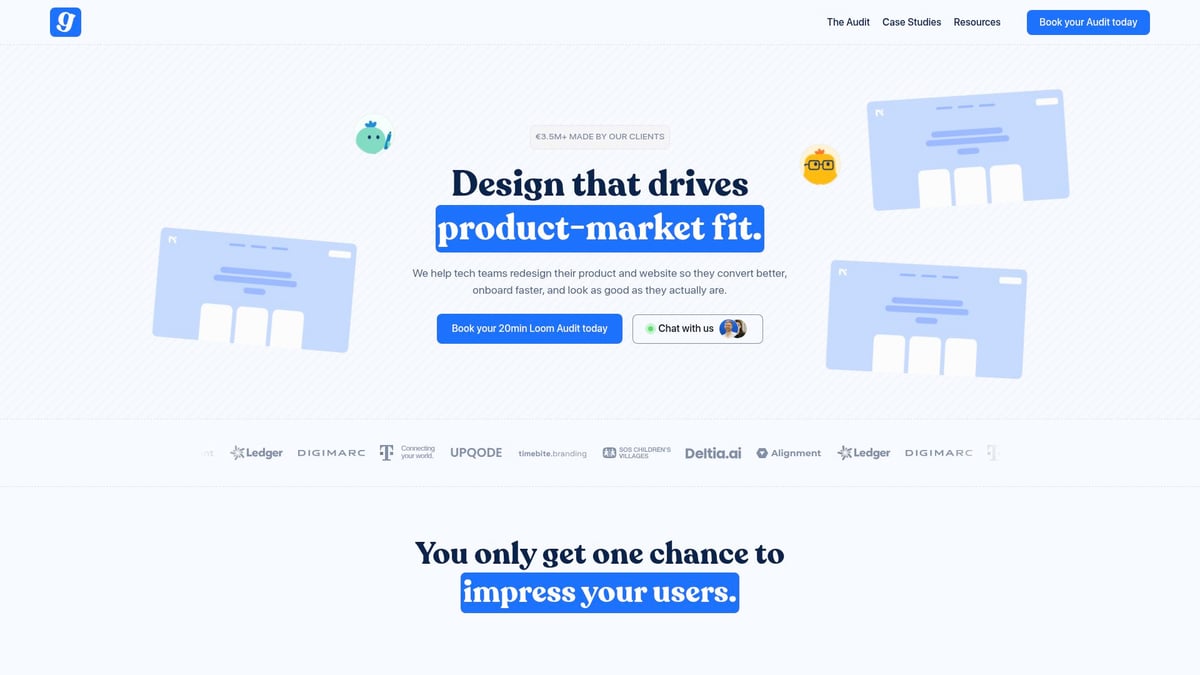
Grauberg offers rapid audits, redesigns, and design partnerships tailored for SaaS teams. Their senior designers focus on business outcomes, helping clients achieve faster product-market fit, higher conversions, and easier onboarding.
Transparent pricing and dev-ready deliverables make Grauberg ideal for ambitious startups looking for measurable results in Europe and the US.
Expert Tips and Pro Strategies for UI Design Success in 2026
Mastering ui design how to strategies in 2026 means going beyond the basics. To truly stand out, you need a toolkit of expert approaches that drive efficiency, consistency, and measurable business results. Let’s break down the proven methods every modern designer should have in their arsenal.
Build and Maintain a Design System
A robust design system is the backbone of any scalable product. If you want to master ui design how to practices, start by creating a comprehensive library of components, patterns, and guidelines.
Document color palettes, typography, and UI elements in detail.
Use shared libraries in Figma or Sketch to keep everything synchronized.
Regularly audit your system to remove duplicates and outdated assets.
Effective design systems accelerate onboarding and make it easier for new team members to contribute. Sharing your system with developers ensures seamless handoff and implementation. Consistency is key, so revisit your system often to keep pace with evolving product needs.
Stay Updated on UI Trends and Tools
Staying ahead in ui design how to best practices requires ongoing exposure to the latest trends and innovations. Follow top designers on social media, attend virtual conferences, and subscribe to industry newsletters.
Explore new plugins and design tools as they launch.
Network with other professionals to exchange insights.
Set aside time each month for trend research.
For a deeper dive into what’s shaping the landscape, check out the Top UI/UX design trends 2024. Embracing new ideas helps you design future-ready interfaces and maintain a competitive edge.
Collaborate and Seek Feedback Early
Collaboration is at the heart of effective ui design how to workflows. Involve stakeholders from the earliest stages, and use collaborative platforms to gather feedback.
Hold regular design critiques, both internally and with mentors.
Use tools like Figma for real-time commenting and iteration.
Encourage open communication so feedback is actionable and timely.
Early feedback helps catch usability issues before they become expensive to fix. Document all suggestions and changes, then review outcomes as a team. This approach creates a culture of continuous improvement and shared ownership.
Prioritize User-Centered Design
Every great ui design how to process begins with user understanding. Develop personas, conduct interviews, and test prototypes with real users to ensure your designs solve actual problems.
Build empathy maps to visualize user pain points and motivations.
Balance user needs with business objectives for maximum impact.
Iterate your designs based on real-world feedback.
User-centered design means never assuming you know what’s best without validation. When you focus on genuine user needs, your interfaces become more intuitive and drive higher satisfaction rates.
Optimize for Speed and Scalability
Speed and scalability are essential elements of the ui design how to playbook. Use modular components and automated workflows to keep your process efficient as your product grows.
Create reusable assets for quick updates.
Automate repetitive tasks with plugins and scripts.
Plan for localization and accessibility from day one.
Test your UI for performance, especially on slower devices or networks. Implementation-ready assets ensure developers can launch features quickly. Always prepare your design files for future scaling and new team members.
Measure, Analyze, and Iterate Continuously
A data-driven approach is crucial for mastering ui design how to optimization. Set clear KPIs like conversion, retention, and engagement, then use analytics to monitor performance.
Leverage heatmaps and user session recordings for deep insights.
Schedule regular UI audits to identify bottlenecks.
Iterate designs based on both quantitative and qualitative feedback.
Research shows that effective UI/UX directly influences business outcomes, as highlighted in the Impact of UI/UX Design on Business Performance. By treating optimization as a continuous process, you create products that adapt to user needs and market changes.
Now that you’ve seen how a thoughtful UI design process can transform your product and help you stand out in 2026, why not take the next step? If you’re ready to pinpoint what’s working and where things could improve—whether it’s your landing page or your in-app experience—I’d love to help you get there. Let’s make sure your user journey is seamless from start to finish, so you can boost your conversion rates and reach product market fit faster. Curious what’s possible for your startup?
Book a free Product Website Audit
and let’s unlock your product’s full potential together.